

Diabetes mellitus remains one of the most widespread chronic diseases in the world. According to the International Diabetes Federation, more than 530 million people currently live with diabetes, and this number continues to grow. People face constant blood sugar monitoring, insulin injections, dietary restrictions, and fear of complications. Against this background, stem cell treatment for diabetes is attracting increasing attention because research shows promising possibilities for restoring damaged pancreatic cells and improving patients’ quality of life.
Why Diabetes Disrupts the Body’s Functioning
In diabetes, the body loses the ability to properly control blood glucose levels. This happens for different reasons:
- In type 1 diabetes, the immune system destroys pancreatic cells that produce insulin.
- In type 2 diabetes, the body gradually loses sensitivity to insulin.
- Over time, high blood sugar damages blood vessels, nerves, kidneys, and vision.
Stem cells are considered one of the ways to help the body restore some impaired processes rather than only control disease symptoms.
How Stem Cells Work in Diabetes
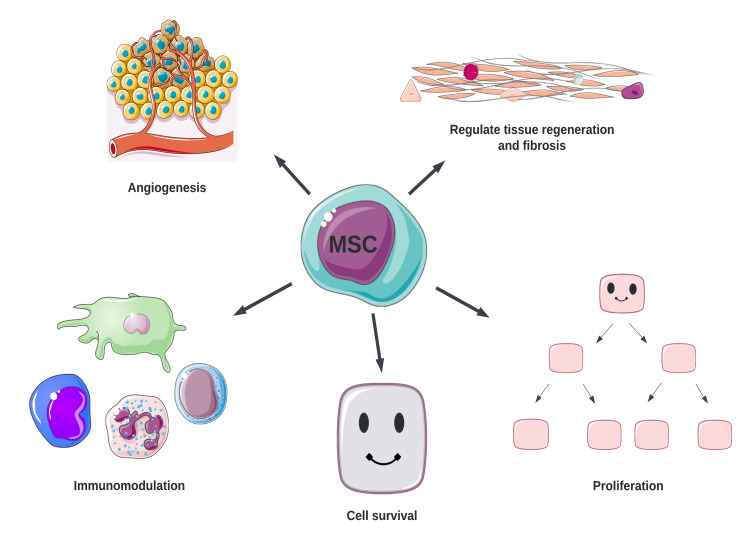
The main feature of stem cells is their ability to transform into different tissue types and participate in the body’s recovery processes. In diabetes mellitus, specialists are studying several mechanisms of their action.
Main areas of impact:
- reduction of inflammatory processes;
- protection of remaining pancreatic cells;
- stimulation of tissue recovery;
- improvement of the body’s insulin sensitivity;
- support of immune system function.
Some patients after therapy report more stable blood sugar levels, reduced insulin requirements, and improved overall well-being. However, it is important to understand that the method is still actively being studied and is not considered a universal complete cure.
What Types of Stem Cells Are Used?
Today, several types of cells are used in medicine and studied for diabetes treatment.
The most commonly used are:
- Mesenchymal stem cells — obtained from adipose tissue or bone marrow.
- Hematopoietic cells — involved in immune system function.
- Umbilical cord blood cells — considered a promising direction because of their high biological activity.
Each option has its own characteristics. For example, mesenchymal cells are often used because of the lower risk of complications and good compatibility with the patient’s body.
Before the procedure, a person usually undergoes a complete examination:
- blood tests;
- blood glucose level assessment;
- evaluation of vascular condition;
- diagnostics of diabetes complications;
- consultations with specialized physicians.
This is necessary to understand the overall health condition and the possible effectiveness of therapy.
What Results Do Patients Expect?
People with diabetes often search for ways to reduce dependence on medications and improve quality of life. That is why interest in cell therapy continues to grow.
Studies and clinical observations report the following possible changes:
- reduction of glycated hemoglobin levels;
- decreased need for insulin;
- more stable blood sugar indicators;
- improved blood circulation;
- reduction of chronic fatigue symptoms.
Potential slowing of diabetes complications is considered especially important. Complications are most often the cause of serious health problems, including kidney damage, vision deterioration, heart attacks, and diabetic foot syndrome.
However, the result depends on many factors:
- type of diabetes;
- patient age;
- duration of the disease;
- condition of the pancreas;
- lifestyle and nutrition.
That is why specialists always warn that therapy requires an individual approach and does not produce the same effect for everyone.
Today, stem cells are considered one of the most promising directions in diabetes treatment. Research shows that cell therapy may help improve blood sugar control, support pancreatic function, and reduce the risk of complications. Although the method continues to be studied, interest in it is growing worldwide, especially among people who have faced constant limitations and challenges of living with diabetes for many years.